
- Empty cart.
- Continue Shopping
Alcoholism & Dementia: Understanding the Connection & Treatment
- Posted on
admin
- 0
- Categories: Sober living

Dr. Robins says brain imaging may also be necessary to rule out other types of dementia. There are a lot of factors to consider before we can make the most accurate diagnosis and recommendations for treatment. As a residential treatment facility, we have the benefit of extended time with our patients.
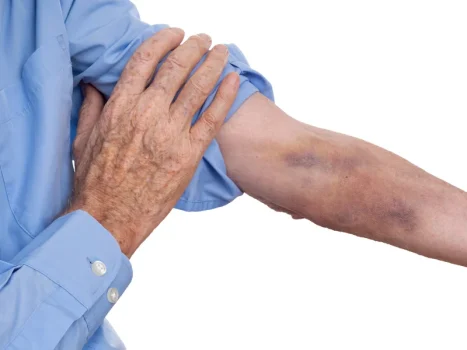
Stages of Alcoholic Dementia Symptoms
Continued consumption of https://ecosoberhouse.com/ alcohol can cause symptoms to progress and get worse. It can affect several areas of the brain, but it most commonly affects the mammillary bodies found on the hypothalamus. ARD is a progressive illness, which means its symptoms often happen in stages and continue to get worse—especially if left untreated. We are no longer supporting IE (Internet Explorer) as we strive to provide site experiences for browsers that support new web standards and security practices.
- Our specialized Alcohol Treatment Programs provide a safe environment to begin recovery, supported by expert medical and therapeutic professionals.
- According to the Dietary Guidelines for Americans 2020–2025, drinking in moderation consists of no more than one or two drinks daily for females and males, respectively.
- It’s important to note that the risk of stroke and internal bleeding in the brain escalates with regular alcohol use, too.
- Around one in six American adults drink to excess, and almost half of the United States population drank alcohol in 2020.
- Black Americans had a slightly higher risk, 44%, than white people at 41%.
Stages of Alcoholic Dementia
The symptoms of alcoholic dementia are memory loss, challenge concentrating, impaired goal-setting, poor decision-making, lack of motivation, and hallucinations. These cognitive and behavioral disruptions differ in severity, progressively worsening as the dementia advances, posing massive hurdles to daily functioning. Alcohol itself does not directly cause Wernicke-Korsakoff syndrome as much as the damage to the brain cells that takes place from a thiamine deficiency (vitamin B1) caused by alcohol.
- By Buddy TBuddy T is a writer and founding member of the Online Al-Anon Outreach Committee with decades of experience writing about alcoholism.
- It is clear that excessive drinking increases a person’s risk of dementia compared with not drinking at all.
- If your 2024 goals include plans to drink in moderation, here’s what she wants you to know.
- Professional help is strongly suggested for anyone who is approaching the levels of alcohol consumption that can lead to ARBDs.
What are the effects of alcohol while having AD?
- Alcohol consumption plays against other demonstrated health factors like nutrition, exercise, mental activity, sleep, and social relationships that have significant roles in brain health.
- All of the information gathered during the diagnostic process will also help them rule out other types of dementia, including Alzheimer’s disease or vascular dementia.
- People with severe alcohol use disorder also tend to have nutritional deficiencies from a poor diet and irregular eating habits.
- If a person has alcohol-related ‘dementia’ they will struggle with day-to-day tasks.
- Chronic alcohol use chops gray matter volume, which is brain tissue that processes information and controls memory, senses, and decision-making.
But people can try to avert or at least delay health problems that contribute to later dementia. Coresh, for example, wears a helmet when biking because repeated or severe brain injuries from crashes or falls increase the risk of later-in-life dementia. Prior studies estimated about 14% of men and 23% of women would develop some form of dementia during their lifetime. Coresh’s team analyzed more recent data from a U.S. study that has tracked the heart health and cognitive function of about 15,000 older adults for several decades. Alzheimer’s is the most common form, and silent brain changes that eventually lead to it can begin two decades before symptoms appear.

The overlap of symptoms makes it crucial for clinicians to carefully evaluate and consider the possibility of an underlying neurologic disorder in these situations. Find out what experts say about excessive alcohol use and the risk of serious cognitive issues. Thiamine deficiency can cause dementia, which is progressive and permanent memory loss. Current NHS guidelines state that both men and women should limit their intake to 14 units a can alcoholism cause dementia week. A unit is dependent on the amount of pure alcohol in a given volume and can be calculated for specific drinks. The two terms “alcoholism” and “aging” retrieved about 1,350 papers; adding phrases (for example, “postmortem” or “magnetic resonance”) limited the number to fewer than 100 papers.

Long-term support through relapse prevention programs, 12-step meetings, and ongoing therapy helps individuals maintain sobriety and minimize the risk of further cognitive decline. At this stage, individuals often require full-time care, and recovery becomes increasingly challenging, though supportive treatment can improve quality of life. Firstly, the person is likely to need support to help them stop drinking alcohol. They may be given special prescription drugs to reduce their craving for alcohol.

The Good Life
However, a 2017 study found that even moderate amounts of alcohol consumption over many years lead to shrinkage of an area of the brain involved in the formation of new memory (the hippocampus). The scientists could not definitively conclude whether this change was due to a temporary shift in cellular fluid versus actual cell death. Some studies have suggested that low to moderate alcohol use might actually reduce dementia risk, while others indicate there are no health benefits to drinking alcohol. What all experts can agree on, though, is that exceeding moderate drinking levels should be avoided. Alcohol consumption plays against other demonstrated health factors like marijuana addiction nutrition, exercise, mental activity, sleep, and social relationships that have significant roles in brain health.
